





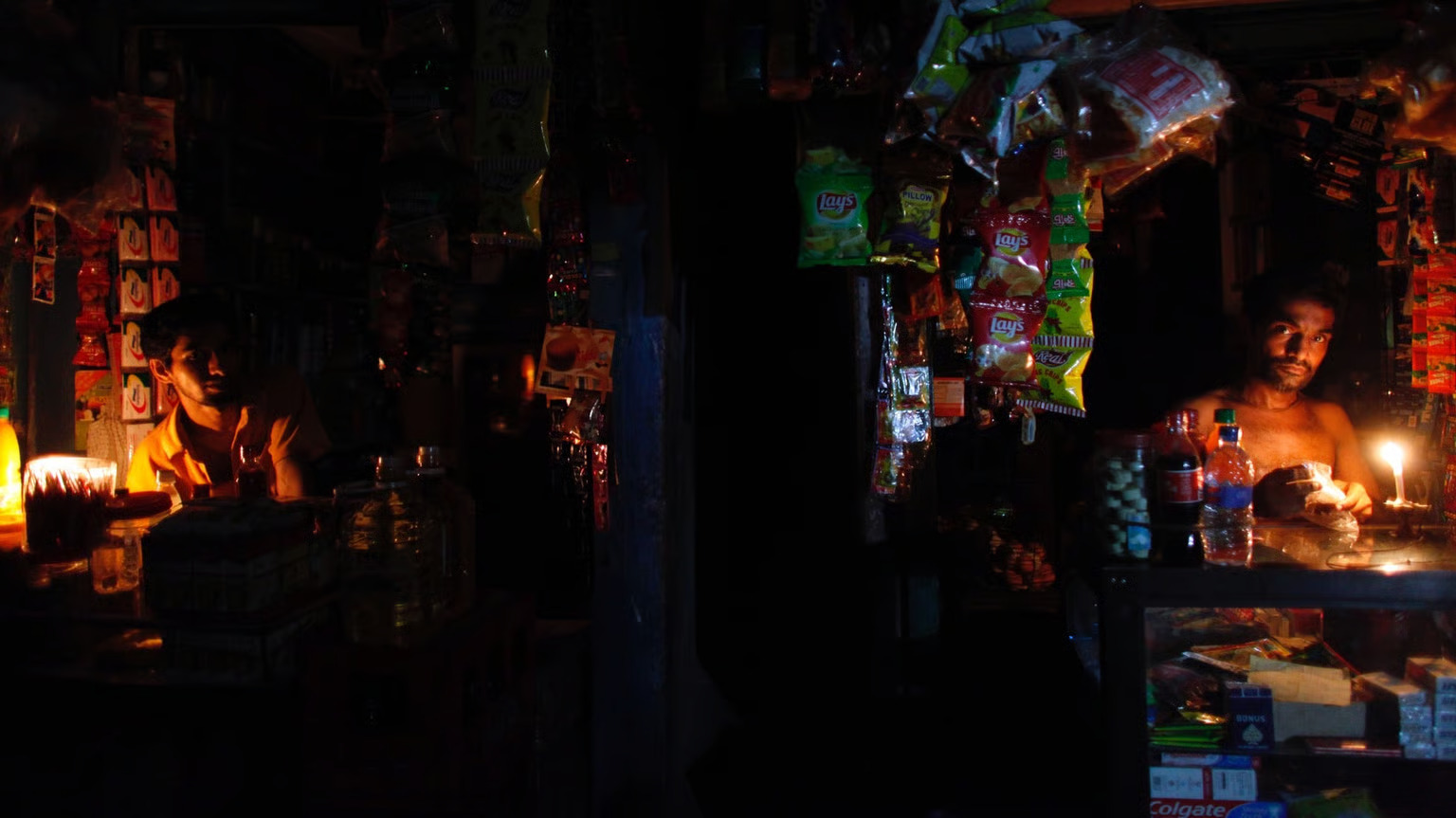

Dhaka, MINA – Amid fuel supply pressures, electricity distribution has remained largely stable in urban areas of Bangladesh, while power outages have increased in rural regions.
As reported by Dhaka Tribune on Tuesday, complaints about prolonged blackouts have risen alongside intensifying summer heat, with some areas experiencing outages lasting four to five hours per day.
Although power cuts had declined in recent years, stakeholders say rural residents are now once again having to cope with frequent electricity disruptions.
Officials stated that the global impact of the conflict following attacks by the United States and Israel on Iran has contributed to the situation. In Bangladesh, overdue payments to power producers and difficulties in securing sufficient funds to import fuel have forced authorities to manage shortages through load shedding. Energy sector insiders warn that prospects for improvement remain slim unless geopolitical conditions stabilize.
Read Also: Over 1.6 Million Children in Yemen’s Taiz Risk Losing Water Access
Output from liquid fuel-based power plants has been reduced. Generation from oil-fired plants, which have a combined capacity of around 5,500 megawatts nationwide, has dropped to approximately 2,100 megawatts. Meanwhile, electricity imports from India, including supplies from Adani Group, have been cut by half. Adani’s power plants are currently supplying about 750 megawatts during daytime hours, with one unit offline due to technical issues.
Government sources said fuel oil imports cannot be increased to meet demand due to global constraints. Fuel oil accounts for the largest share of imported fuel used for electricity generation in the country.
Field reports indicate that many rural areas are experiencing multiple power outages each day, with some locations receiving electricity for only four to five hours daily. This has worsened living conditions amid rising temperatures and has also affected irrigation activities. As rural communities increasingly rely on electricity for water pumping, television, and cooling systems, the shortage of power is causing significant hardship. []
Mi’raj News Agency (MINA)
Read Also: UN Warns 19.2 Million Afghans Face Hunger Crisis This Winter




















 Mina Indonesia
 Mina Arabic
 Mina Sport
