





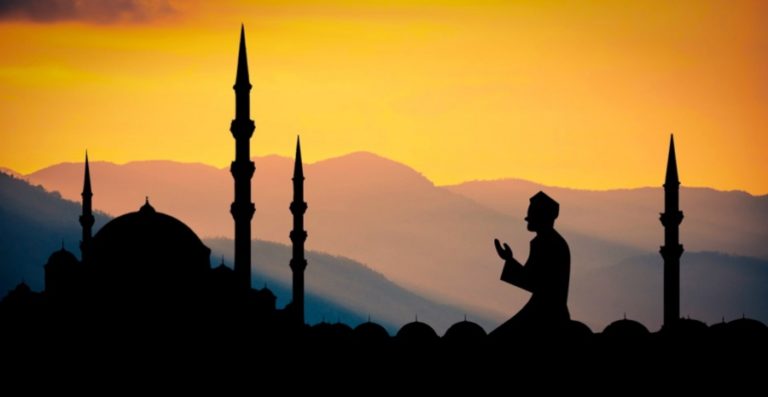

As the month of Shawwal begins, Muslims are not only celebrating victory after Ramadan, but are also encouraged to continue various sunnah practices as a means of preserving faith and taqwa.
This moment carries great significance, for the true measure of a successful Ramadan lies in the consistency of worship that follows. Shawwal presents itself as a fertile ground for good deeds, reinforcing the spiritual values built over the course of a full month.
Scholars affirm that acts of worship continued after Ramadan are a sign that one’s ibadah has been accepted. The Prophet Muhammad ﷺ also taught various sunnah practices in the month of Shawwal that Muslims can observe.
Here are 10 recommended acts of worship in the month of Shawwal:
Read Also: Prophet Musa’s Story Inspires Young People to Prepare for Marriage
- Fasting Six Days of Shawwal
This is among the most highly recommended acts after Eid al-Fitr. The Prophet ﷺ said: “Whoever fasts Ramadan and follows it with six days of Shawwal, it is as if he has fasted the entire year.” (HR. Muslim)
These fasts may be observed consecutively or spread throughout the month. Their virtue reflects a continuity of worship and love for Allah SWT. Beyond their great reward, these fasts also serve as an expression of gratitude for having completed Ramadan.
- Fasting on Mondays and Thursdays
The Prophet ﷺ regularly fasted on Mondays and Thursdays, saying: “Deeds are presented on Mondays and Thursdays.” (HR. Tirmidhi)
Continuing this sunnah fast throughout Shawwal helps sustain spiritual closeness to Allah SWT, while also cultivating discipline and self-restraint, qualities honed during Ramadan.
Read Also: Gaza’s Suffering That Moves the World’s Conscience
- Maintaining the Ties of Kinship (Silaturahmi)
Shawwal is synonymous with the tradition of visiting one another and seeking mutual forgiveness. Allah SWT says: “And fear Allah, through whom you ask one another, and maintain family ties.” (QS. An-Nisa: 1)
Silaturahmi strengthens the bonds of Islamic brotherhood and serves as a means of erasing sins, while fostering harmony within society.
- Giving More in Charity (Sadaqah)
Charity is not only for Ramadan, it is encouraged throughout Shawwal and beyond. The Prophet ﷺ said: “Charity does not decrease wealth.” (HR. Muslim)
Giving in charity allows one to help others, purify one’s wealth, and strengthen social solidarity within the community.
Read Also: Amid the World Cup Craze, Let’s Not Forget Palestine
- Maintaining Obligatory Prayers in Congregation
The five obligatory prayers remain the highest priority after Ramadan. Allah SWT commands: “Establish prayer and give zakah.” (QS. Al-Baqarah: 43)
Consistently praying in congregation at the mosque is a sign of strong faith, and reflects the fruits of spiritual training undergone during Ramadan.
- Increasing Voluntary Prayers
Sunnah prayers such as Dhuha and Tahajjud are encouraged to be maintained. The Prophet ﷺ said: “The most virtuous prayer after the obligatory prayers is the night prayer.” (HR. Muslim)
These prayers draw one closer to Allah SWT, increase reward, and compensate for any shortcomings in the obligatory prayers.
Read Also: The Profound Meaning of the Prophet’s Hijrah, A Journey of Faith and Civilization
- Remembrance of Allah (Dhikr) and Supplication (Du’a)
Dhikr is a light yet immensely rewarding act. Allah SWT says: “Remember Me, and I will remember you.” (QS. Al-Baqarah: 152)
Through dhikr, the heart finds peace and tranquility. Continuous du’a is also a testimony to a servant’s dependence upon their Lord.
- Reading the Qur’an
Recitation of the Qur’an should not be confined to Ramadan but should be practiced at all times. Allah SWT says: “Recite the Qur’an with measured recitation.” (QS. Al-Muzzammil: 4)
Continuing tilawah in Shawwal nurtures one’s connection with the Qur’an, the guide for Muslims in every dimension of life.
Read Also: Why Do People Cry Easily When Reading the Quran?
- Making Up Missed Fasts (Qadha)
Those who have outstanding days of fasting from Ramadan are encouraged to make them up promptly. Allah SWT says: “So a number of other days (are required).” (QS. Al-Baqarah: 185)
Hastening to fulfill qadha reflects sincerity in worship and a Muslim’s sense of responsibility toward unfulfilled obligations.
- Upholding Noble Character (Akhlak)
Character is at the very core of Islamic teaching. The Prophet ﷺ said: “I was sent to perfect noble character.” (HR. Ahmad)
Patience, honesty, and humility must be sustained long after Ramadan ends. Good character is a mirror of one’s faith and the key to success in this world and the hereafter.
Read Also: Debunking Zionist Myths and Falsehoods
By practicing these acts, Shawwal can become the beginning of a journey of istiqamah — steadfast worship — rather than merely the closing chapter of Ramadan. Muslims are called to carry the spirit of goodness throughout the year.
Ramadan may have passed, but the values it instilled should not depart with it. It is precisely in Shawwal that a Muslim is tested whether their devotion was driven by atmosphere and habit, or by genuine consciousness and love of Allah SWT. Consistency, even in small acts of worship, is the mark of a living heart and a guarded faith.
The path toward taqwa is a long journey requiring both sincerity and patience. Not everyone can sustain the rhythm of Ramadan’s worship, but the best in the sight of Allah SWT are those who keep striving — even if gradually. As the Prophet ﷺ taught us, the deeds most beloved to Allah are those done consistently, even if they are few.
Let us therefore make Shawwal a starting point, not a finish line, a beginning to better ourselves, to strengthen our faith, and to broaden our benefit to others. With a spirit that continues to burn, a Muslim will walk ever closer toward the pleasure of Allah SWT, until we are graced once more with the arrival of Ramadan in an even better state than before.
Read Also: Learn from Prophet Yusuf about Food Security Management During the Extreme Climate Crisis























 Mina Indonesia
 Mina Arabic
 Mina Sport
