







Washington, MINA – The United States and Saudi Arabia have signed a civilian nuclear cooperation agreement that includes a bilateral oversight mechanism. The deal marks a new milestone in the strategic relationship between the two countries in the energy sector, while reinforcing their commitment to the peaceful use of nuclear technology.
The signing took place in Washington on Thursday as part of broader efforts to strengthen strategic ties in energy and technology, while ensuring that Saudi Arabia’s nuclear program development remains within the framework of peaceful applications.
The agreement was signed by US Energy Secretary Chris Wright and Saudi Energy Minister HRH Prince Abdulaziz bin Salman, as reported by The Washington Post.
The deal outlines cooperation in civilian nuclear energy development, including technology transfer, human resource capacity building, and the establishment of a joint monitoring system. Through this mechanism, Washington and Riyadh will coordinate on technical matters, exchange information, and implement nuclear safety and security standards to prevent the misuse of technology for military purposes.
Read Also: Saudi-Led Coalition Says It Intercepted Houthi Cruise Missile Over Riyadh
The US government explained that the cooperation aims to support Saudi Arabia’s energy diversification efforts under its Vision 2030 program, which targets reducing dependence on oil. In addition to meeting growing domestic electricity demand, nuclear energy is also projected to support national industrial development and help achieve carbon emission reduction targets.
For the United States, the agreement opens opportunities for American nuclear technology and energy companies to participate in building civilian nuclear infrastructure in Saudi Arabia. On the other hand, Riyadh gains access to the technology, training, and expertise needed to develop a nuclear industry that meets international standards.
However, the cooperation has drawn significant attention from the international community given concerns over nuclear non-proliferation in the Middle East region. The bilateral oversight mechanism is seen as a critical factor in ensuring that all Saudi nuclear activities remain civilian and transparent.
Saudi Arabia has repeatedly stated that its nuclear program is intended solely for energy needs, research, and peaceful technological development.
Read Also: Rights Group to Urge ICC to Seek Arrest Warrants for Trump Over Gaza
The nuclear deal is also seen as having broader geopolitical dimensions. Beyond strengthening Washington-Riyadh strategic partnership, the agreement comes amid heightened security dynamics in the Middle East.
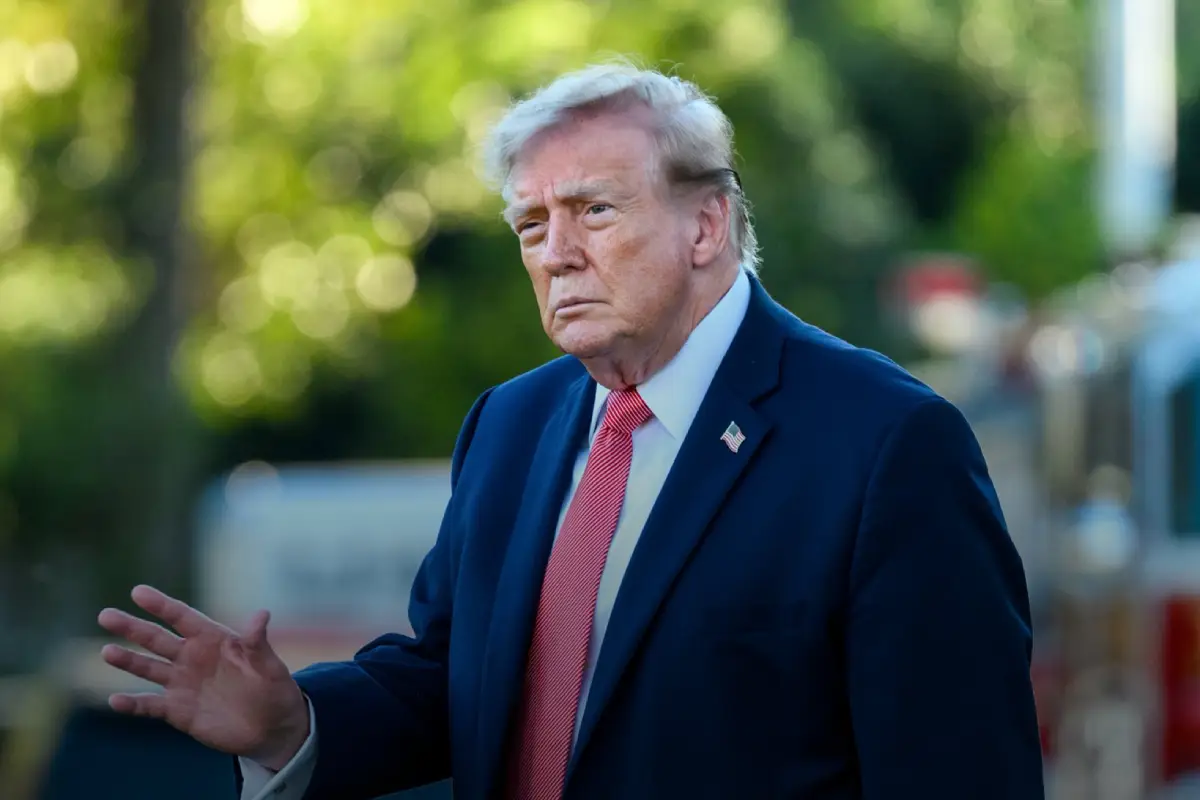
However, reports have circulated that former President Trump had reportedly made normalization with Israel a condition for Saudi Arabia to be allowed to develop nuclear energy on its soil.[]
Mi’raj News Agency (MINA)
Read Also: UN Agencies: 15.4 Million in Sudan Urgently Need Shelter as Funding Falls Short























 Mina Indonesia
 Mina Arabic
 Mina Sport
