






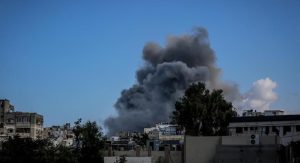
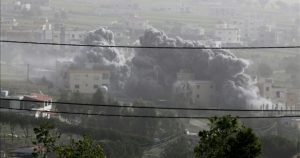
Islamabad, MINA – Pakistani fighter jets conducted airstrikes in eastern and southeastern Afghanistan early Sunday, targeting what Islamabad described as militant hideouts, while Afghan officials reported civilian casualties and promised an “appropriate” response to the cross-border attack.
Pakistan’s Information Ministry announced on social media platform X that the strikes hit “seven terrorist camps and hideouts” belonging to the Pakistani Taliban (Tehrik-i-Taliban Pakistan) and the ISIS Khorasan group. The ministry stated it possessed “conclusive evidence” linking recent suicide bombings inside Pakistan, including an attack in the capital Islamabad to planning and launching pads on Afghan soil.
Afghanistan’s Defense Ministry responded with a statement on X declaring that “an appropriate and measured response will be taken at a suitable time,” signaling potential escalation between the neighboring countries.
According to Afghan broadcaster Tolo News, the airstrikes targeted multiple locations, including the Khogyani, Ghani Khel, and Behsud districts in Nangarhar province, as well as the Barmal and Urgun districts in Paktika province. Citing local sources, the broadcaster reported that civilians were among those hit by the Pakistani military operation.
Also Read: Kremlin Confirms Iran Has Not Requested Military Aid Amid US-Israeli Offensive
Enayatullah Khwarazmi, spokesperson for Afghanistan’s Defense Ministry, and government spokesman Zabihullah Mujahid both confirmed that the strikes had killed and wounded “dozens of women and children,” though precise casualty figures were not immediately available
Pakistan has experienced a significant increase in militant violence in recent years, with authorities attributing much of the bloodshed to the Pakistani Taliban and outlawed Baloch separatist groups operating from safe havens across the border.
Islamabad has consistently accused the Pakistani Taliban of orchestrating attacks from Afghan territory, a charge that the Taliban-led government in Kabul has repeatedly denied. The denial has been a persistent source of friction between the two nations.
Bilateral relations have remained particularly tense since deadly clashes occurred last October. While a Qatar-mediated ceasefire temporarily de-escalated tensions, subsequent diplomatic talks held in Istanbul failed to produce a formal agreement, leaving the underlying issues unresolved.
Also Read: Slovenia Condemns US-Israeli Offensive on Iran as Breach of International Law
The latest airstrikes represent a significant escalation in cross-border military action and threaten to further destabilize an already volatile region. International observers have expressed concern about the potential for retaliatory attacks and the broader implications for regional security.
Neither side has provided independent verification of their claims regarding the nature of the targets or the extent of casualties, making the situation on the ground difficult to assess independently.[]
Mi’raj News Agency (MINA)
Also Read: Iran Ready to Confront US Ground Invasion: Araghchi
















 Mina Indonesia
 Mina Arabic
 Mina Sport