







Jakarta, 13 Shawwal 1434/19 August, 2013 (MINA) – Politican observer Ibrahim Rantau said the political map of the conflicts in Egypt has changed, and it seems likely to return to the old regime following Cairo court decision to free former President Hosni Mubarak.
“Map of the conflict in Egypt has changed, at the beginning there was a liberal nationalist party against Islam became the military regime under Mubarak with pro-Revolution in 2011,” Ibrahim said in an interview with MINA (Mi’raj News Agency), Monday (19/8).
Cairo criminal court today (19/8) decided to ‘clean up’ the name of Mubarak from corruption allegation using state money for personal gain, which involves his two sons Alaa and Gamal, where the court determines both of them remain in detention.
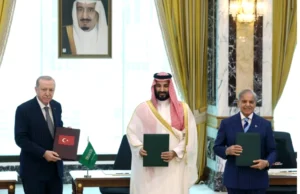
Read Also: Türkiye’s Ratification of Mecca Joint Defense Agreement Takes Effect
In addition to corruption 1.1 billion Egyptian pounds, Mubarak also responsible for killing more than 800 protesters who opposed the revolution of 2011 and which is still waiting for trial.
According to Ibrahim, who had been living in Egypt, there are two possible scenarios related to the Mubarak release. First, it will lure back the revolution movements in 2011 as demanding the ouster of Mubarak as president. Second, there may be no any movement at all, because people may have been tired with the various things going on in Egypt, where people began pessimistic about the future though they wanted freedom from the repressive regime.
Revolution in January 2011
Early in 2011, inspired by the revolution in Tunisia, thousands of Egyptian citizens took to the streets demanding the resignation of Mubarak. Citizens who took action in various areas in Cairo they want a law that prevents a president who is in charge for more than two periods.
Read Also: GCC Welcomes UN Resolution Demanding Houthis Halt Attacks
The action, which lasted 18 days made hundreds of people died and thousands more were injured and some of them arrested by the security forces.
More than a week protested by his people, Mubarak said he wanted to end his position as President of Egypt in peace, without violence.
“I want a peaceful atmosphere in the leadership transition in Egypt,” Mubarak said to media.
This statement did not make public satisfied, because people want Mubarak stepped down, the action was getting crowded with more and more people took to the streets, TV stations showed residents surrounded the presidential palace and tighten the barricade.
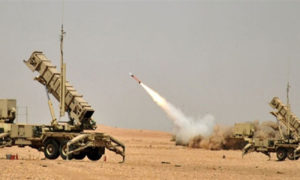
Read Also: Debris From 2 Intercepted Missiles Falls in Mecca Region: Saudi Arabia
Until that night, Egyptian Vice President Omar Suleiman finally declared Mubarak has been ousted. Egyptians commemorate that even as the Revolution in January 2011. (T/P03/P02/P05/E1)
Mi’raj News Agency (MINA)
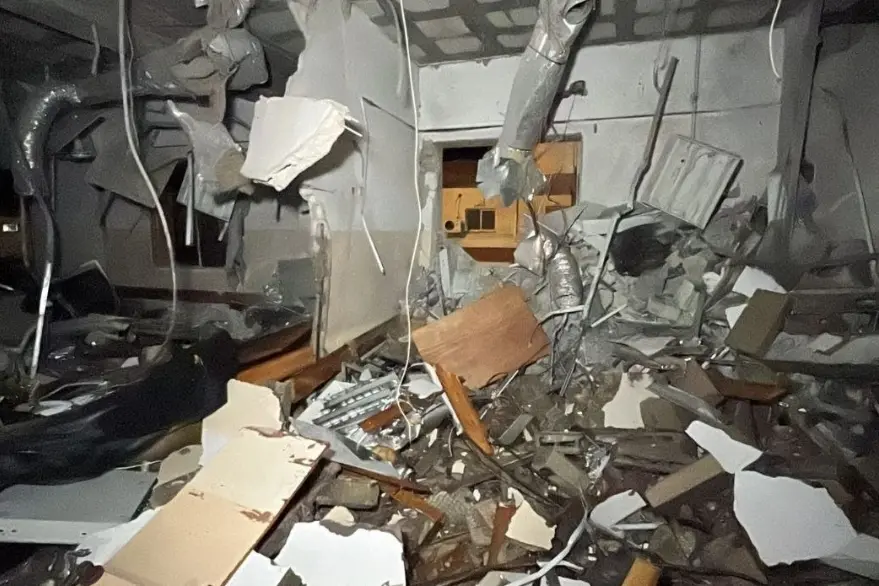
Read Also: Mass Funeral Held in Sanaa for Victims of Saudi Airstrikes








 Mina Indonesia
 Mina Arabic
 Mina Sport
