







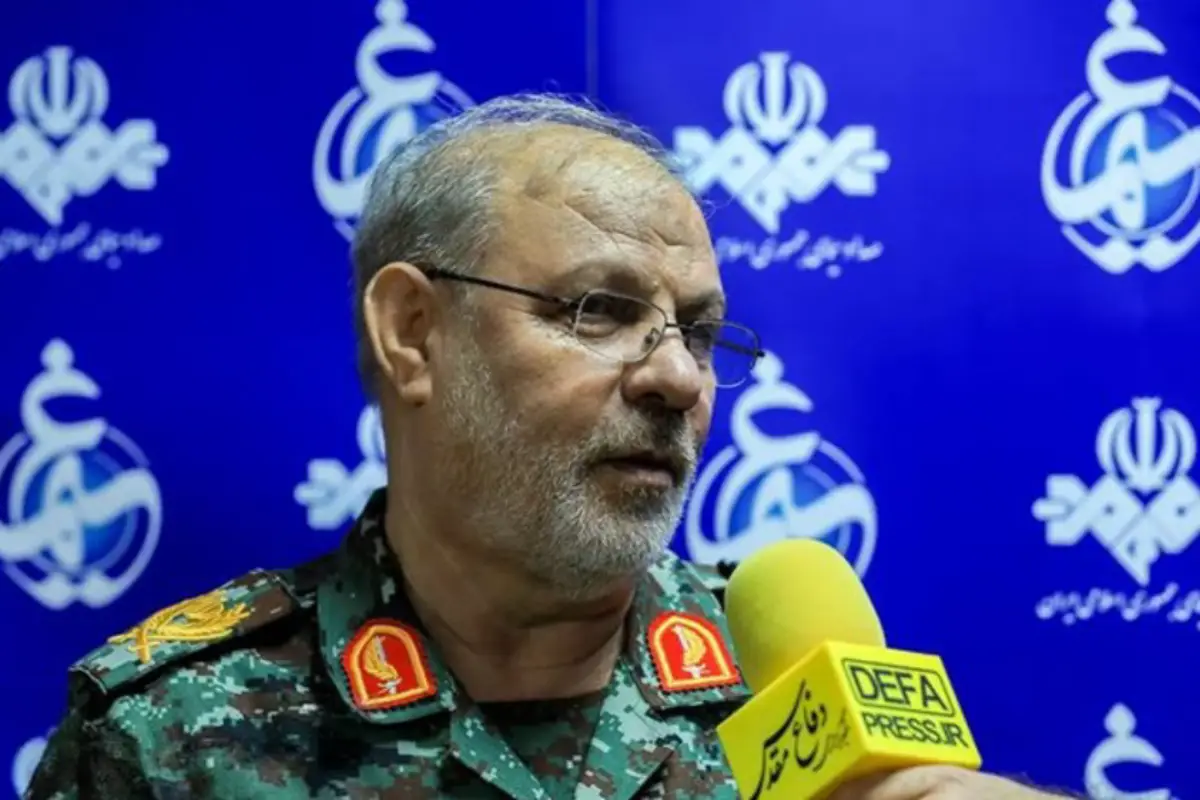
Tehran, MINA – Iran will not reopen the Strait of Hormuz or return to negotiations with the United States until seven new conditions presented through intermediaries are met, Mohsen Rezaei, secretary of Iran’s Supreme National Security Council, has said.
In a statement carried by the ISNA news agency, Rezaei said Tehran was unwilling to return to its previous approach to diplomacy, although it had not ruled out negotiations entirely.
“We will not return to the diplomacy of the past, yet we are not abandoning diplomacy altogether,” he said, adding that Iran was no longer interested in agreements based solely on political goodwill without stronger guarantees.
Rezaei described de-escalation as Iran’s preferred outcome but warned that a prolonged war would strengthen the country’s capabilities, even though that was not Tehran’s desired course.
Read Also: Lewis Hamilton Visits Egypt’s El Arish to See Humanitarian Aid Efforts for Gaza
He also warned that if hostilities resumed, Iran would deploy new capabilities against US assets in the region, including cables and artificial intelligence facilities.
Rezaei acknowledged that a prolonged blockade would impose costs on Iran, dismissing claims that the country would remain unaffected. He also said Iran had targeted five vessels belonging to smugglers each night over the preceding two to three months.
The seven new conditions have not been publicly disclosed. However, Rezaei’s remarks indicate that Tehran is seeking stronger guarantees and a broader agreement before agreeing to reopen the strategic waterway and resume talks.
The Strait of Hormuz has become a major point of contention in the conflict involving Iran, the United States, and Israel. The waterway connects the Persian Gulf with the Gulf of Oman and serves as a crucial route for international energy shipments.
Read Also: Twelve US Senators Seek Removal of Provisions Expanding Israel Defense Ties
Approximately one-fifth of the world’s oil supply normally passes through the strait, making disruptions there a significant concern for energy markets and international trade.
The conflict began on February 28, 2026, when the United States and Israel launched military operations against Iran. Tehran responded with missile and drone attacks across the region, while the confrontation led to the effective closure of the Strait of Hormuz.
A memorandum of understanding signed in June was intended to pave the way for a comprehensive US-Iran peace agreement. However, disagreements over maritime navigation through the strait prevented the arrangement from progressing toward a final deal.
The disruption has affected shipping and energy flows. According to the background information cited in reports on the crisis, the United Nations recorded a 95 percent decline in ship traffic, while the World Trade Organization described the disruption as the most serious threat to global trade in 80 years.
Read Also: Morocco Deepens Military Ties With Israel as Defense Delegation Arrives
Iran has previously linked the reopening of the waterway to demands including the lifting of the US naval blockade, the removal of restrictions on Iranian oil sales, and a regional ceasefire.
Washington has rejected Tehran’s conditions and continued its pressure campaign, including military operations against Iranian targets. Meanwhile, international mediators, including Qatar and Pakistan, have sought to facilitate indirect negotiations between the two sides.
The international community has continued to call for de-escalation and a diplomatic settlement. However, the United States and Iran remain divided over the terms of an agreement, leaving the future of negotiations and the reopening of the Strait of Hormuz uncertain.
The continuing standoff raises concerns about energy security, shipping costs, and the broader effects of prolonged disruption to one of the world’s most important maritime routes.[]
Read Also: Yemen’s Ansarallah Says It Struck Riyadh Airport, Aramco Facilities
Mi’raj News Agency MINA)





















 Mina Indonesia
 Mina Arabic
 Mina Sport
