




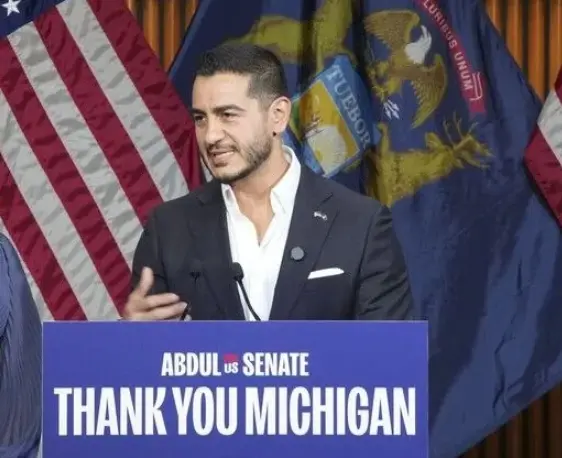

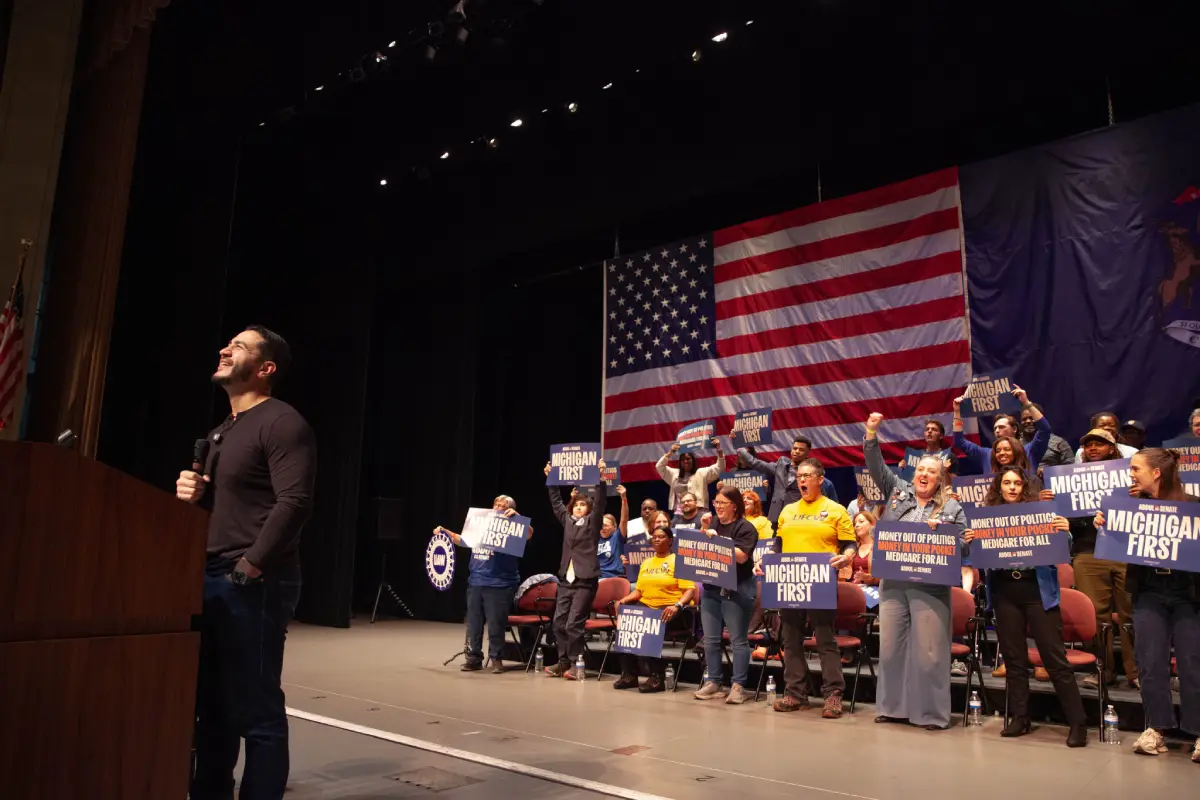
Washington, MINA – Abdul El-Sayed, the first Muslim American elected to the US Senate, voiced support Thursday for President Donald Trump’s remarks about cutting aid to Israel, saying Washington should stop financing a military accused of committing atrocities with American weapons, according to Anadolu Agency.
El-Sayed told MS NOW that he agreed with Trump’s position and was willing to work with the president to end US military assistance to Israel.
“I agree with him on that. I don’t think we should be continuing to subsidize a foreign military that had done the worst things with our money. I agree. I would love to work with him on doing that,” he said.
El-Sayed, who was elected on Tuesday, stressed the need to distinguish Judaism and Jewish people from the actions of Israel, and rejected attempts to portray criticism of Israel as hatred of Jews. He pointed to Israel’s policies in the occupied West Bank and restrictions on access to basic resources in the Gaza Strip, reiterating his characterization of the war as genocide.
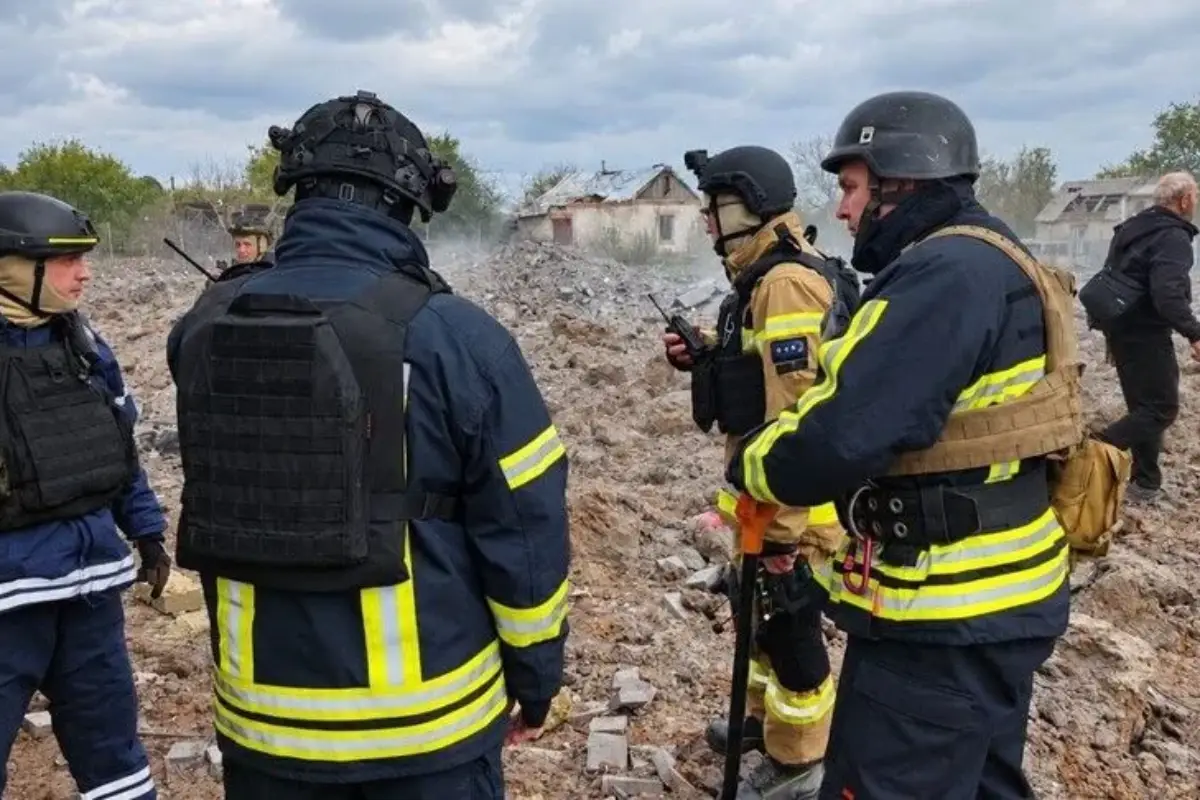
Read Also: Death Toll from Russian Strike on Aid Center in Ukraine Rises to 42
“We’re told that if you want to stand up against the murder of innocent Palestinian children, that’s somehow about hate for anybody,” said the senator-elect. “It’s about equal love for those Palestinian children.”
El-Sayed also said he was committed to protecting Jewish children and families in the US, drawing on his experiences as a Muslim parent concerned about his children’s safety.
On Trump, El-Sayed said he was willing to work with anyone, arguing that politics should focus on enforcing the rule of law and delivering for the American public rather than political retribution.
“I want to talk about something because I think people see our politics as this game where you get retribution on the other side,” he said. “It’s not about retribution. It should never be about retribution. It’s about enforcing the rule of law and, most importantly, delivering for the American public.”
Read Also: Israeli Army Raids Southern Syria’s Quneitra Countryside
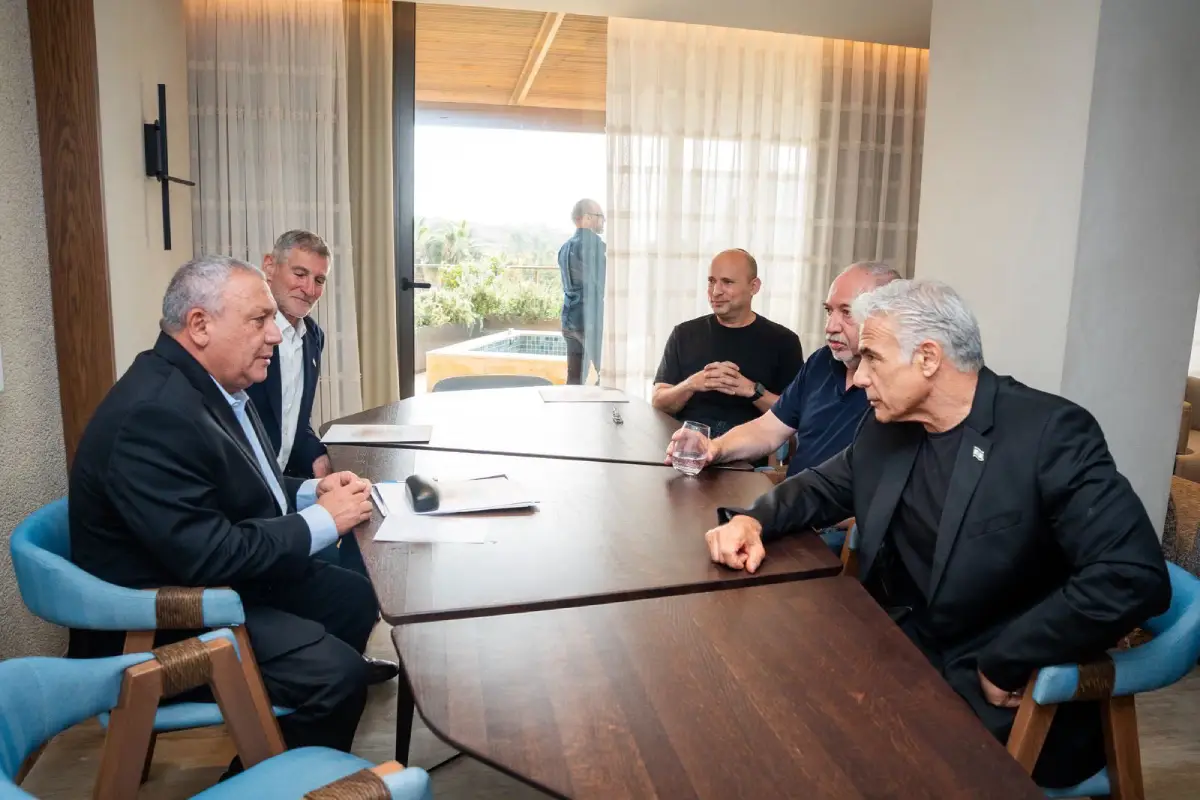
El-Sayed’s endorsement of Trump’s position creates a notable political alignment. Trump announced Tuesday that he had reached an agreement with Israeli Prime Minister Benjamin Netanyahu to end annual security assistance to Israel, valued at approximately $3.8 billion, by the end of this year. That announcement, framed by Trump as a recognition of Israeli success, drew the ire of Israeli economic officials who warned of an $8 billion shortfall over two years.
By supporting the cut, El-Sayed provides the incoming Democratic Congress with a prominent voice arguing for a policy shift that Trump initiated. This places him at odds with some in his own party who have been more cautious about conditioning or cutting aid, and it sets up a potential cross-party dynamic in which a Democratic senator and a Republican president might find common ground on Israel policy even as they clash on nearly everything else.
El-Sayed’s framing is also significant for the broader debate over criticism of Israel. By insisting that opposition to the killing of Palestinian children reflects “equal love” rather than antisemitism, he is challenging a rhetorical framework that has been used to marginalize such criticism in US politics. His reference to protecting Jewish children and families is an attempt to preempt accusations that his position is rooted in hostility toward Jews.
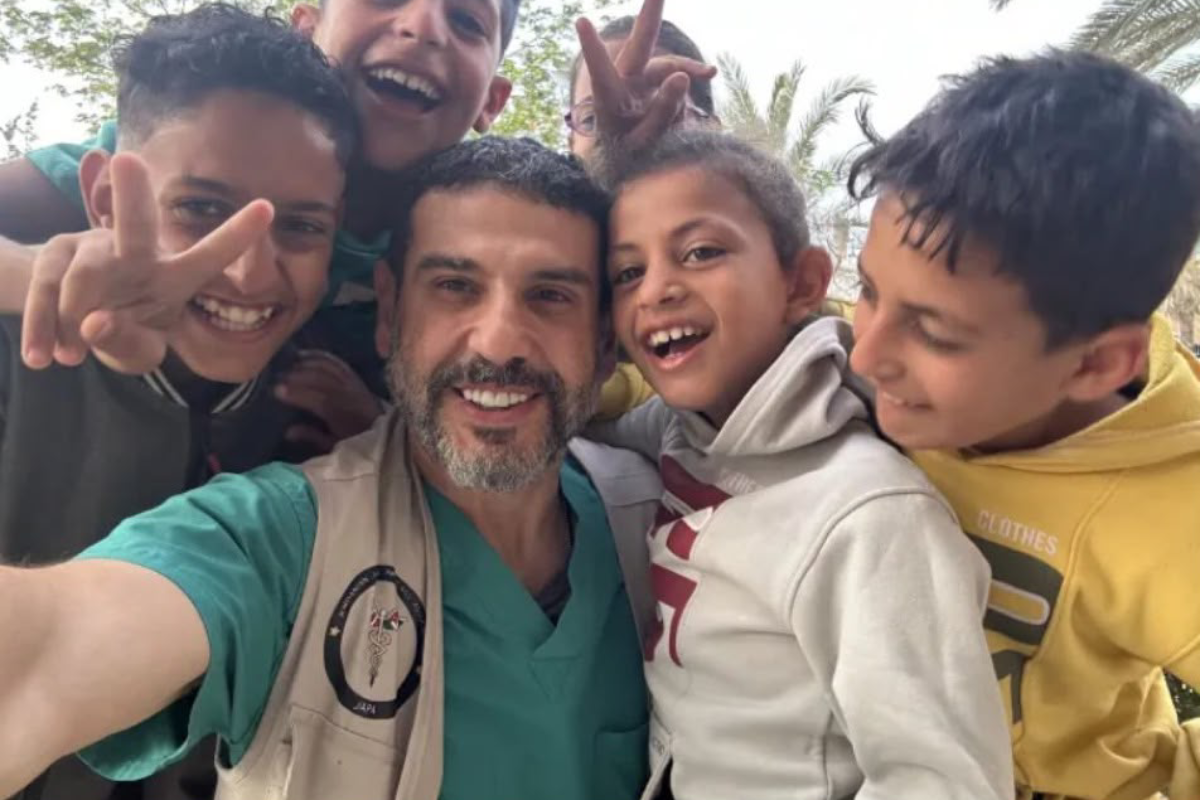
His election, alongside that of Adam Hamawy in New Jersey, marks a shift in who represents the Democratic Party on these issues. Both campaigned on ending military aid to Israel and both won in districts where such positions would have been considered politically risky in previous cycles.
Read Also: Up to 780,000 Protesters Expected Across France Amid Heavy Police Deployment
The practical question is whether a Democratic Congress will act on the funding cut or challenge it. The 2016 memorandum of understanding runs through 2028, and any suspension would require either congressional acquiescence or a legal rationale. El-Sayed’s willingness to work with Trump on the issue suggests he may seek legislative action to codify or expand the cut, though the outcome will depend on broader negotiations over the budget and foreign policy.[]
Mi’raj News Agency (MINA)
Read Also: Adam Hamawy, Gaza Humanitarian Mission Doctor, Elected to US Congress
















 Mina Indonesia
 Mina Arabic
 Mina Sport
