







Gaza, MINA – Approximately 60% of medical imaging equipment in the Gaza Strip is out of service, while nearly 21,000 patients urgently need medical evacuation for treatment abroad, the Palestinian Red Crescent Society (PRCS) has warned.
Bashar Murad, the PRCS director of health programs, said the breakdown of diagnostic equipment, combined with severe shortages of medicines and medical supplies, was undermining hospitals’ ability to diagnose diseases and treat critically ill patients.
In a statement on Thursday, Murad warned that cancer patients and people with chronic illnesses were among those most severely affected by the deterioration of healthcare services.
Broken imaging equipment and delayed examinations are preventing doctors from detecting diseases, monitoring their progression, and evaluating patients’ responses to treatment, increasing the risk of serious complications.
Read Also: Israeli Strike Kills Two Palestinians in Khan Younis, Gaza
According to figures cited by Murad, 25 of Gaza’s 38 hospitals are completely out of service. The remaining 13 are operating only partially under extremely difficult conditions and with limited medical resources.
The primary healthcare network has also suffered extensive damage. Of Gaza’s 157 primary healthcare centers, 103 have been destroyed, while the remaining 54 provide only limited services with minimal resources.
The widespread failure of medical imaging equipment has left patients requiring urgent scans facing prolonged delays in diagnosis and treatment.
The consequences are particularly serious for people with cancer and chronic diseases, who often need regular imaging examinations to monitor their conditions, identify complications, and determine whether treatments are effective.
Read Also: Gaza Health Sector Faces Crisis as Medical Fabric Supplies Run Out
Without access to these essential diagnostic services, doctors face increasing difficulties making timely and accurate treatment decisions.
Murad said approximately 21,000 patients urgently required medical evacuation because the specialized treatment they needed was unavailable inside Gaza. However, he said only around 120 patients were being permitted to leave the enclave each day.
The limited number of evacuations has left thousands waiting for treatment abroad as Gaza’s hospitals struggle to cope with growing medical needs.
The PRCS stressed the urgent need to restore diagnostic services by supplying medical equipment, spare parts, and essential medical supplies. It also called for the evacuation of patients whose conditions cannot be adequately treated inside Gaza.
Read Also: Israeli Forces Detain Six Palestinian Young Men Near Bethlehem
The organization warned that damaged hospitals, inoperable imaging equipment, medicine shortages, and restrictions on medical evacuation were compounding the risks faced by patients with serious and chronic illnesses.
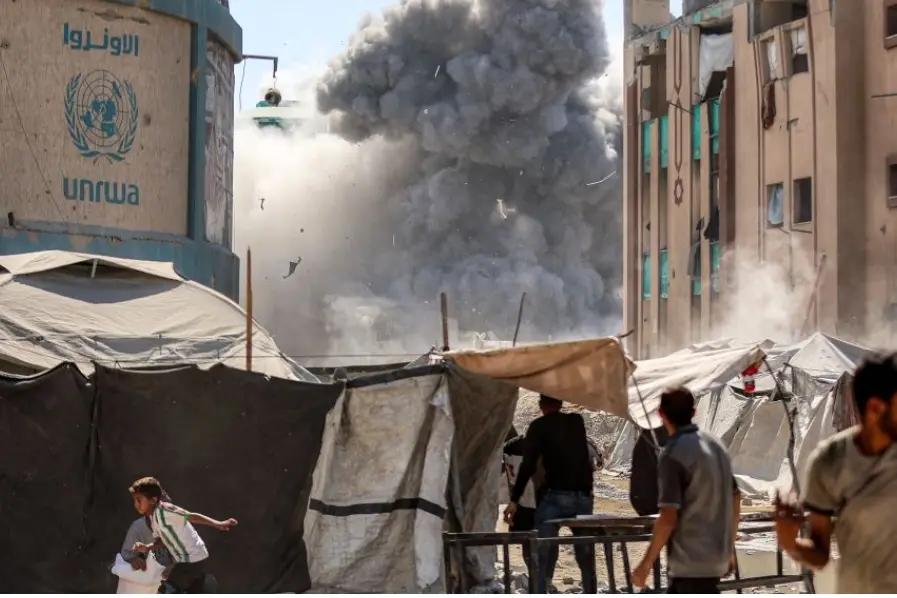
Gaza’s healthcare system has suffered extensive damage during more than two years of Israeli military operations, with hospitals, clinics, and other medical facilities damaged or destroyed.
Restrictions on the entry of medical equipment, medicines, and fuel have further constrained healthcare services. Although the ceasefire agreement that took effect in October 2025 was intended to improve humanitarian access, major obstacles to medical evacuations and the delivery of essential supplies remain.
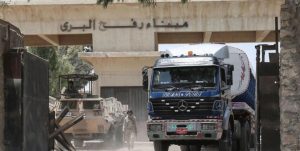
The Rafah crossing, a key route for patients seeking treatment abroad, has largely remained closed or operated at limited capacity, restricting access to specialized medical care.
Read Also: Israeli Forces Demolish Palestinian Homes and Livestock Shelters in West Bank
According to Gaza’s Health Ministry, more than 1,344 patients have died while waiting for treatment since the ceasefire took effect.
The World Health Organization has repeatedly called for the unimpeded evacuation of patients and the entry of essential medical supplies, warning of the severe consequences of the ongoing healthcare crisis.
The PRCS’s latest warning highlights the urgent need to restore Gaza’s diagnostic and treatment capacity and ensure that critically ill patients can access the medical care they need.[]
Mi’raj News Agency (MINA)
Read Also: Israeli Strike Kills Three in Vehicle Distributing Aid in Gaza
















 Mina Indonesia
 Mina Arabic
 Mina Sport
