





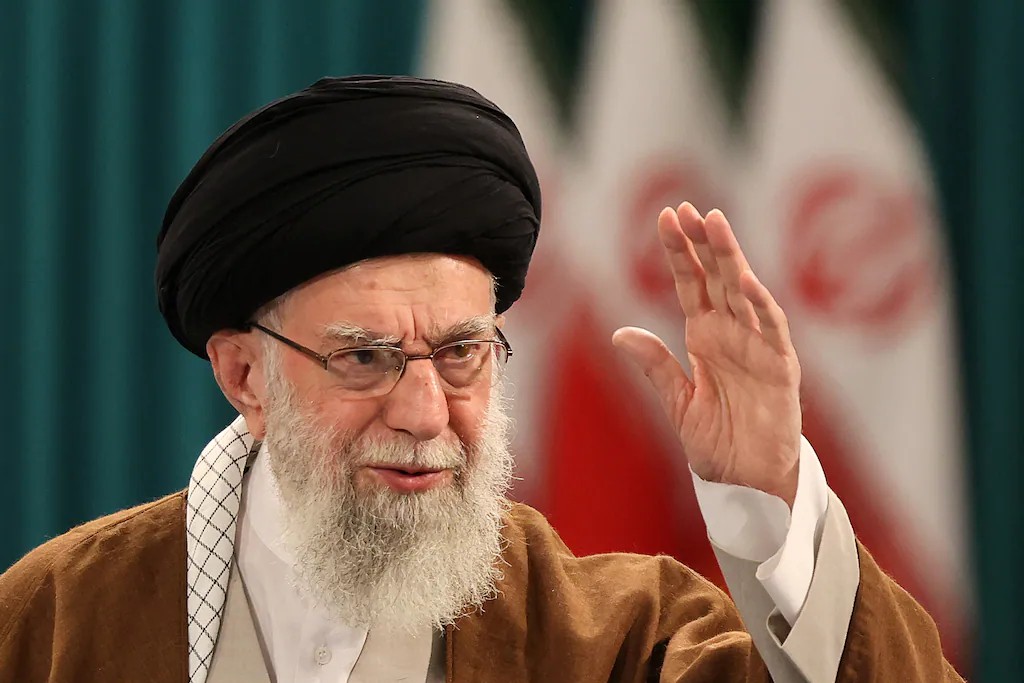

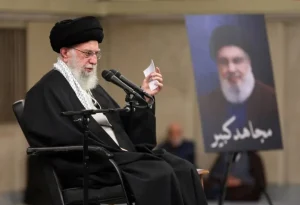
Jakarta, MINA – The passing of the Supreme Leader of the Islamic Republic of Iran, Ali Khamenei, marks the beginning of a new chapter in the nation’s political history. A critical question now emerges: who will replace the Rahbar (Leader), and how does the selection mechanism function?
Iran’s political system operates through a unique dual structure. On one hand, the country holds regular public elections; on the other, a clerical hierarchy maintains a central role in guarding the state’s ideological direction.
According to various sources compiled by MINA, Iran’s political framework is a revolutionary democracy. Constitutionally, Iran conducts three types of elections: Presidential elections every four years, Parliamentary (Majlis) elections every four years, and Assembly of Experts elections every eight years.
While the President manages day-to-day government operations as the chief executive and the Parliament handles legislation, the highest authority in the state remains with the Supreme Leader or Rahbar.
Also Read: The Impact of Strikes Against Iran on Palestinian Resistance Movement
The Role of the Rahbar and Wilayat al-Faqih
The position of Supreme Leader can only be held by a high-ranking cleric, typically holding the title of Ayatollah. Under the concept of Wilayat al-Faqih (Guardianship of the Jurist), the Rahbar serves as the guardian of the revolution, ensuring the state apparatus aligns with Islamic values.
Under the Iranian constitution, the Supreme Leader wields extensive powers, including defining the general outlines of national policy, overseeing the Armed Forces and the Revolutionary Guard (IRGC), appointing high-ranking judicial and security officials, and legitimizing the results of presidential elections.
Despite this vast power, the Rahbar is not entirely without oversight. The Assembly of Experts, a body of Islamic jurists, is constitutionally empowered to monitor, elect, and—theoretically—dismiss the leader.
Also Read: Khojaly History That Demands Justice
Succession Mechanism After Khamenei’s Death
With the death of Khamenei, the office of the Rahbar is officially vacant. Per constitutional mandates, the Assembly of Experts must immediately convene to elect a successor.
The process is handled internally through deliberation and a vote among the members of the Assembly. The chosen candidate must meet strict criteria regarding religious scholarship, integrity, and national leadership capacity. If necessary, the constitution allows for the formation of a temporary leadership council until a definitive Leader is appointed.
Challenges for the Successor
Also Read: Ramadan 2026: Global Fasting Durations From Longest to Shortest
Khamenei’s successor will inherit significant domestic and international challenges. Internally, the new leader must address economic issues, social pressures, and the aspirations of the younger generation. Internationally, Iran’s relations with the West, Gulf nations, and the dynamics of regional conflict will serve as a major test.
This transition mirrors the pivotal shift in 1989 when the position passed from Ruhollah Khomeini to Ali Khamenei. At that time, the process was relatively swift to ensure national stability.
The international community is now watching to see if this succession will proceed smoothly or trigger new political dynamics within Tehran. One thing is certain: the replacement of the Supreme Leader is not merely a change of figurehead, but a strategic momentum that will define the future trajectory of the Islamic Republic.[]
Mi’raj News Agency (MINA)
Also Read: The History of Ramadan Fasting: Before and Until Muhammad ﷺ










 Mina Indonesia
 Mina Arabic
 Mina Sport